
Three summers ago, sun glare turned my charcoal car seats a dusty, ugly purple. I wanted to dye sheepskin seat covers at home instead of spending $450 on a new pair.
My first test on an old headrest cover went terribly wrong. I used hot tap water and a grocery store box dye, which shrank the leather backing into a stiff potato chip. After four more tests on scrap pelts, I built a cool-water process that locks in rich color and keeps the pelt buttery soft.
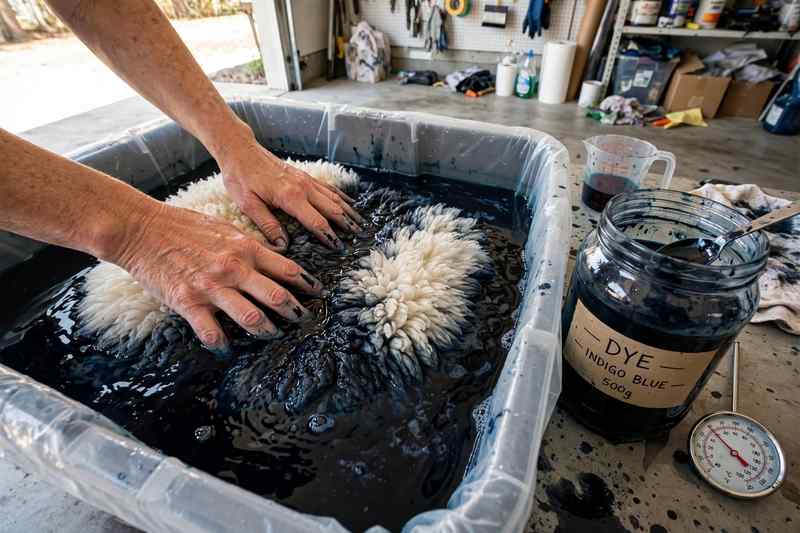
What Most Guides Leave Out When You Dye Sheepskin Seat Covers
You must protect the leather hide beneath the wool by keeping water under 95 degrees Fahrenheit. Most web tutorials treat a sheep pelt like a cotton T-shirt, which ruins the skin fast.
Sheepskin is two materials in one piece. You have fluffy wool fibers on top and tanned animal skin on the bottom. Wool loves heat and acid when taking on new color, while leather hates both and shrivels up if pushed too far.
Water heat is enemy number one: Anything over 100 degrees Fahrenheit cooks the skin proteins and shrinks your seat cover by two sizes.
Cotton dyes fail on wool: Standard all-purpose dye washes right out or rubs off on your white shirts on humid drives.
Natural grease blocks color: Sheep wool holds an oil called lanolin, which acts like a raincoat until you wash it off first.
Foam backing traps gallons of water: If your covers have a stitched foam pad, soaking the whole cover takes five days to dry and smells sour.
My Costly First Mistake: I soaked my passenger headrest cover in 120-degree water for thirty minutes. It came out four inches narrower and cracked in half when I tried to stretch it over the post.
| Common Advice | My Real-World Test | Better Move |
|---|---|---|
| Boil the dye bath | Shrank hide by 30 percent | Cap water at 95°F |
| Use standard box dye | Rubbed off on blue jeans | Use acid wool dye |
| Hang wet cover up | Stretched seams out of shape | Dry flat on towels |
| Skip leather oil step | Backing turned stiff as cardboard | Rub in glycerin mix |
Tools and Supplies I Actually Use for Clean Color
A $14 jar of acid wool dye and a $6 meat thermometer beat every expensive leather kit I tested. You only need basic gear to keep the temperature steady and the dye evenly mixed.
When I prep my garage table, I skip fancy salon brushes and pricey color fixers. Simple pantry items like white vinegar bind the pigment to animal fibers without harsh fumes.
Jacquard Acid Dye (2 ounces per seat): This powder bonds only to protein fibers like wool and silk, leaving plastic clips and poly straps clean.
Digital kitchen thermometer: Guessing water warmth by hand is how you ruin a $200 pelt.
20-gallon plastic storage tote: Seat covers need room to float freely so dark patches do not form in tight folds.
Eucalan Wool Wash (3 tablespoons): Cleans out road dust and body oils without stripping the hide dry.
Distilled white vinegar (2 cups): Lowers the water pH so the wool scales open up and drink in the color.
Vegetable glycerin and rubbing alcohol: A half-and-half mix rubbed into the suede side keeps the leather stretchy as it dries.
Brass wire pet slicker brush: Pulls apart clumped wool tips once the cover dries completely.
| Option I Tried | Best Use Case | My Honest Verdict |
|---|---|---|
| Acid wool dye bath | Full pelts without foam pads | Deepest, softest color result |
| Suede spray dye | Foam-backed or lined covers | Great when soaking is risky |
| All-purpose fabric dye | Cotton canvas seat trim | Fails badly on real wool |
| Leather alcohol dye | Smooth leather steering wheels | Turns fluffy wool sticky |
Smart Shopping Shortcut: Buy twice as much dye powder as the label says. Because we use cool water instead of boiling water, extra pigment helps you get a rich, dark shade in half the time.
My Step-by-Step Workflow to Dye Sheepskin Seat Covers Safely
Set aside two hours of active work and two full days of flat air-drying for a factory-fresh finish. Rushing any step between washing and oiling is where stiffness creeps in.
Step 1: How I Prep the Wool and Backing Before Adding Color
Wash the cover in cool water first and paint the suede skin with oil so it stays soft. Dry wool absorbs dye unevenly, leaving pale spots near the thicker seams.
Vacuum both sides of the seat cover with a brush nozzle to pull out sand and crumbs.
Fill your plastic tub with 10 gallons of 90-degree water and stir in three tablespoons of wool wash.
Submerge the cover and press it down gently with your palms for ten minutes without twisting or scrubbing.
Drain the soapy water and refill the tub with clean 90-degree water to rinse the wool clear.
Lay the damp cover wool-side down on a clean tarp and sponge a 50/50 mix of vegetable glycerin and water onto the leather backing.
| Size / Scenario | Exact Amount | How Often |
|---|---|---|
| Single bucket seat | 2 oz acid dye powder | Once every 3 years |
| Pair of front seats | 4 oz acid dye powder | Once every 3 years |
| Vinegar acid activator | 1 cup per seat cover | Every single dye bath |
| Glycerin backing oil | 4 tbsp per seat cover | Before and after dyeing |
Step 2: How I Dye Sheepskin Seat Covers Without Stiffening the Hide
Dissolve the dye powder in one cup of hot water first, then mix it into a 95-degree bath before adding the damp cover. Keeping the cover moving for the first fifteen minutes stops blotchy streaks.
Stir two ounces of acid dye powder into two cups of hot tap water in a glass jar until zero grains remain.
Fill your 20-gallon tote with 12 gallons of lukewarm water measured at exactly 95 degrees Fahrenheit.
Pour the dissolved dye jar into the tote and stir well with a long plastic spoon.
Slide your damp seat cover into the bath and swish it gently back and forth for ten minutes.
Lift the cover out for thirty seconds, stir two cups of white vinegar into the tub, and place the cover back in.
Let the cover soak for 45 minutes, pressing it down gently every ten minutes so trapped air bubbles escape.
My Spray Bottle Alternative: If your seat cover has thick foam sewn inside, do not dunk it in a tub. Mix the dye and vinegar in a spray bottle, mist only the wool tips, wipe with a damp towel after thirty minutes, and let it dry.
Step 3: How I Rinse, Condition, and Brush the Fleece Back to Life
Rinse in cool water until it runs clear, press water out with old bath towels, and brush the wool in two stages. Never wring a wet sheepskin cover like a dish rag, or the damp hide will tear along the stitching.
Pull the cover from the dye tub and let it drip over the tote for five minutes.
Submerge it in a fresh tub of 85-degree water, press the wool gently, and repeat until the water looks clean.
Lay the cover flat on two thick bath towels, roll it up like a sleeping bag, and step on the roll to squeeze water out.
Unroll the cover flat on a mesh drying rack in your garage with a box fan blowing cool air across it.
Rub another thin coat of glycerin mix into the damp leather backing while it is still halfway dry.
Stretch the leather edges gently by hand every six hours so the pelt dries flat and flexible.
Brush the wool tips lightly with a wire pet brush while slightly damp, then fluff again once bone dry.
Shortcuts That Cut My Dyeing Time in Half
Pre-wetting the cover during your normal wash cycle saves forty minutes of soaking time. Dry wool traps thousands of tiny air pockets that fight against liquid dye.
After doing six seats for my truck and my neighbor’s SUV, I trimmed out the wasted waiting steps. These small adjustments speed up cleanup and drying without risking the hide.
Mix dye in a mason jar the night before: Shaking the powder with warm water ahead of time prevents unmixed specks from spotting your fleece.
Use a cheap plastic kids pool for two seats: Dyeing both front covers in one batch saves an hour and guarantees both seats match in shade.
Use a shop vac on wet wool: Running a clean wet/dry shop vac nozzle over the damp wool pulls out half the water in three minutes.
Clamp elastic straps to the tub rim: Keeping the nylon hooks above the water line saves you from scrubbing dye off plastic clips later.
| Step | Time Needed | Key Shortcut |
|---|---|---|
| Dissolving dye powder | 3 minutes | Shake in warm mason jar |
| Pulling out rinse water | 5 minutes | Suction with wet shop vac |
| Drying the thick pelt | 24 hours | Aim two box fans sideways |
| Fluffing matted fleece | 8 minutes | Mist with wool conditioner |
Time-Saving Fan Trick: Elevate your cover on plastic milk crates so air moves under the leather backing and over the wool at the same time. This cut my drying time from two full days down to 22 hours.
Where Things Usually Go Wrong Mid-Process
Most DIY failures happen when the dye bath cools unevenly or when sun hits the wet leather. Catching these warning signs early lets you fix the cover before the issue sets in permanently.
During my second project, I noticed the headrest looked way darker than the seat bottom. Here is how I spot trouble right away and turn it around in two minutes.
Pale roots and dark wool tips: You forgot to wash the lanolin oil out first, or you did not press the air bubbles out underwater.
Crunchy, stiff leather corners: The edges dried way faster than the thick middle section and lost their natural moisture.
Purple or bronze sheen on black dye: You used too much dye powder without enough vinegar to set it into the wool shaft.
Musty wet-dog smell on day two: The room air is too still and damp, trapping water deep at the base of the wool.
| Warning Sign | Real Cause | My 2-Minute Fix |
|---|---|---|
| Crunchy leather edge | Dried without enough oil | Sponge warm glycerin on back |
| Dye rubbing on towel | Needs more acid fixer | Soak 15 minutes in vinegar |
| Patchy light spots | Trapped air pockets | Press spots with wet sponge |
| Clumped wool curls | Brushed only when dry | Mist water and brush damp |
Quick Rescue for Stiff Hides: If your cover dries stiffer than you want, do not panic. Mist the suede backing lightly with warm water, rub in pure neatsfoot oil or glycerin, and tumble it in your home dryer on the Zero Heat / Air Fluff setting with four clean tennis balls for twenty minutes.
My Monthly Care Routine to Lock In Fresh Color
Brush your dyed covers for two minutes a month and park with a windshield sunshade up. Once acid dye bonds to wool, sunlight and gritty dirt are the only things that wear it down.
My truck seats still look jet black two years after my second dye job. A tiny bit of upkeep stops sweat and road dust from dulling the shine.
Keep a pet slicker brush in the glovebox: Five quick strokes once a month stops the seat bottom from matting down where you sit.
Spot-clean spills with cold club soda: Never rub alkaline carpet cleaners onto dyed wool, or you will strip the acid bond right out.
Pop up a $12 foil windshield shade: Blocking UV rays while parked at work doubles the life of dark black, navy, and burgundy dyes.
Flip the left and right seat covers yearly: Swapping sides spreads out sun wear and sliding friction along the outer seat bolsters.
| My Early Mistake | What Happened | What I Do Now |
|---|---|---|
| Used carpet foam cleaner | Pulled black dye right out | Blot spills with cold water |
| Parked without sunshade | Driver bolster faded in July | Use foil shade daily |
| Never brushed the seat | Wool matted into flat felt | Brush 60 seconds monthly |
| Stored covers in plastic | Trapped moisture and mildew | Store in cotton pillowcases |
FAQs for Dye Sheepskin Seat Covers
Can I dye sheepskin seat covers inside my washing machine?
You should never use a standard washing machine because spinning matts wet wool fast. Instead, hand-dip the covers in a large plastic tub.
What is the safest water temperature for dyeing sheepskin?
Keep your dye bath at a lukewarm 95 degrees Fahrenheit to protect the leather backing. Water above 105 degrees shrinks and cracks the hide.
Will fabric dye rub off on my clothes while driving?
Acid dye will not rub off on clothes after a white vinegar soak and cold rinse. Cheap box dyes almost always leave messy stains.
Can I dye dark sheepskin seat covers a lighter shade?
No, you cannot dye dark wool a lighter shade because bleach melts natural sheep fibers. Always pick a dye shade darker than your cover.
How long does it take for dyed sheepskin covers to dry?
Dyed sheepskin covers take 36 to 48 hours to air-dry flat in a cool room. Never use a hot clothes dryer or direct sun to speed this up.
Can I use human hair dye on faded sheepskin seat covers?
Skip human hair dye because harsh salon chemicals dry out hide and ruin wool. Stick to gentle acid wool dye or suede spray instead.
My Final Verdict on Refreshing Faded Sheepskin Covers
Taking a weekend to dye sheepskin seat covers saved me over $400 and kept two great pelts out of the trash. As long as you respect the 95-degree water limit and feed the leather backing with glycerin, your covers will come out soft, rich, and streak-free.
Before you buy a single jar of dye, walk out to your car and flip up the bottom edge of your seat cover. Spend five minutes checking whether you have bare suede leather or a stitched foam pad underneath so you can pick the tub bath or spray method today.



Leave a Reply