
Five years ago, I stared at a $14,800 quote and asked myself, are automatic pool covers worth it? My lower back ached from dragging a wet bubble tarp across our 16-by-32 pool every night.
I finally paid the deposit, tested the system through five harsh seasons, and tracked every dollar. Today, I will share my exact bill drops, jammed track fixes, and whether this upgrade pays off.
Are Automatic Pool Covers Worth It When You Count Real Costs?
Yes, automatic pool covers are worth it for safety and daily ease, though full payback takes 9 years. When I first shopped around, contractors threw confusing terms at me without explaining the core parts.
In plain words, the system works like a heavy garage door laid flat over your water. Four simple parts do all the heavy lifting every time you turn the key switch.
Vinyl fabric: A tough cloth sheet that blocks dirt, leaves, and sunlight from hitting your water.
Side tracks: Twin metal rails that guide the sheet straight along your pool edges.
Hidden reel motor: A strong drum inside a concrete box that winds the cover in 50 seconds.
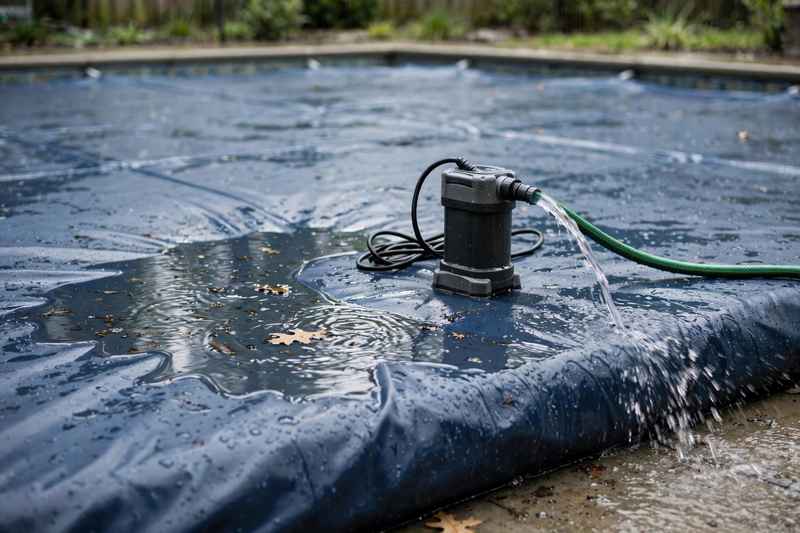
Sump pump: A small pump that sits on top and sucks off rain puddles automatically.
Why Quote Sheets Hide the Real Price Tag
Your first builder quote rarely shows the extra wiring and concrete box fees. I budgeted $12,000 at first, but my final invoice hit $14,800 once the electrician finished.
Before choosing my setup, I tested and priced four common ways to cover a backyard pool. Here is how each option stacked up in my real backyard trials.
| Option I Tried | Best Use Case | My Honest Verdict |
|---|---|---|
| Under-track auto cover | New rectangle pool builds | Cleanest look and best safety |
| Top-track auto cover | Adding to existing pools | Works well but leaves deck bump |
| Manual bubble blanket | Tight budgets needing heat | Cheap, yet miserable to roll |
| Winter safety mesh | Closing pools for snow | Great for winter, useless daily |
My Biggest Pricing Lesson: Never skip the automatic cover pump to save $250 upfront. One heavy rainstorm adds 800 pounds of water that can bend your metal drum.
How My Cover Works Day to Day in Real Weather
Turning a wall key closes my entire pool in 48 seconds with zero heavy lifting. That single habit changed how often my family actually swims on busy weeknights.
With my old solar blanket, I skipped quick 20-minute dips because uncovering the water felt like a chore. Now, my kids flip the key while I grab towels, and the warm water is waiting.
My Measured Heat, Water, and Chemical Savings
My cover saves me $1,450 a year across gas heating, fresh water, and liquid chlorine. I kept a notebook inside my pump shed to compare my bills before and after installation.
When people ask me are automatic pool covers worth it for utility bills alone, I show them my logbook. The tight seal stops warm water from floating into cold night air.
| Size / Scenario | Exact Amount | How Often |
|---|---|---|
| Gas heater savings | $680 saved on fuel | Every swim season |
| Water evaporation drop | 18,000 gallons kept in | Each dry summer |
| Liquid chlorine use | Cut by 60 percent | Weekly dosing check |
| Main pump run time | Dropped from 10 to 5 hours | Daily timer setting |
| Skimmer basket emptying | Down to 1 handful | Once per week |
Daily Habits That Keep the Tracks Running Smooth
Spending two minutes checking the water level and track slots prevents 90 percent of motor jams. My motor only struggled when I got lazy with tiny pebbles and low water.
The vinyl sheet actually floats on top of your pool water rather than hanging in midair. If your water drops too low, the cover drags heavy against the concrete walls.
Check the skimmer line: Keep water halfway up the skimmer mouth so the vinyl floats well.
Watch the full glide: Keep your eyes on the water until the metal bar touches the end wall.
Leave an inch gap: Crack the cover open two inches after shocking the water so gas escapes.
Hose the side channels: Blast acorns and grit out of the aluminum slots every other Saturday.
Fast Fixes When the Cover Drags or Crooks
Most crooked cover scares come from gritty tracks or a slipped rope clutch, not a dead motor. In year two, my cover stopped halfway across and made a loud clicking sound.
I thought I faced a $1,200 motor swap, but a ten-minute track rinse solved the problem. Use this quick chart whenever your cover acts stubborn.
| Warning Sign | Real Cause | My 2-Minute Fix |
|---|---|---|
| Cover moves crooked | Grit in one side track | Spray channel with hose nozzle |
| Motor hums without moving | Tripped breaker or jammed rope | Reset breaker and pull slack |
| Fabric sags in middle | Pool water level too low | Add 2 inches with garden hose |
| Puddle stays on top | Clogged cover pump screen | Flip pump and rinse bottom |
Safety Warning: Always place your cover switch where you have a clear view of the entire pool. Never close the cover from inside the house or around a blind corner.
Common Myths About Pool Covers vs. My Real Results
Most online forums exaggerate motor breakdowns while ignoring the real issue of trapped chlorine gas. Before buying mine, I read dozens of threads claiming the ropes snap every summer.
Five years later, my original nylon ropes still run fine, though I did ruin two pool pillows early on. Trapped chemical fumes ate the plastic faster than the sun ever did.
| Common Advice | My Real-World Test | Better Move |
|---|---|---|
| Never open after shocking | Ruined my floating thermometer | Vent cover 3 inches for 4 hours |
| Auto covers need zero cleaning | Rotting leaves stained the vinyl | Blow dry leaves off before opening |
| It pays for itself in 3 years | Saved $1,450 yearly on $14,800 cost | Expect an 8 to 10 year payback |
| You can skip water testing | High pH built scale on tracks | Test water twice a week anyway |
Are Automatic Pool Covers Worth It After Five Winters?
After five tough winters, are automatic pool covers worth it for year-round protection? Yes, as long as you keep the water level steady under snow loads.
During my first January freeze, I drained my pool six inches like I used to with a mesh tarp. Heavy snow pushed the vinyl down with no water underneath to hold it up, bending two track brackets.
| My Early Mistake | What Happened | What I Do Now |
|---|---|---|
| Drained winter water low | Snow bent the metal side tracks | Keep water at normal swim level |
| Rolled cover with wet leaves | Worms and black stains in box | Leaf-blow dry top before opening |
| Left cover shut for 14 days | Strong chlorine smell stung eyes | Open cover 2 hours twice weekly |
| Pulled pump cord to move it | Snapped internal power wires | Tie a nylon rope to pump handle |
My Winter Lifesaver: Tie a bright yellow polypropylene rope to your cover pump handle, never pull the black power cord. Yanking a frozen cord cracks the waterproof seal in seconds.
Are Automatic Pool Covers Worth It for Your Backyard Setup?
Deciding if automatic pool covers are worth it depends on your pool shape, family needs, and local tree cover. This gear feels like magic in the right yard, yet wastes cash in the wrong one.
I have helped three neighbors weigh this choice over backyard barbecues. Two bought covers and loved them, while the third saved $16,000 by skipping it.
Backyard Setups Where an Auto Cover Pays Off Fast
Rectangle pools in leafy yards or homes with young kids get the highest value from day one. If your yard matches at least two points below, you will love owning one.
Young kids or curious pets: Locking the key switch gives instant peace of mind between swim sessions.
High gas or electric rates: Trapping 85 percent of your night heat extends your swim season by two months.
Heavy oak or pine trees: Keeping pine needles out of the water saves four hours of weekend skimming.
New rectangle pool builds: Hiding the tracks under the stone coping costs less during initial construction.
Pool Shapes Where You Should Skip the Motor
Freeform kidney pools with rock waterfalls make motorized covers clunky, costly, and hard to seal. Save your cash if your backyard looks like these examples.
Curved or kidney shapes: The cover must run on wide surface rails bolted right across your concrete deck.
Raised spa walls or waterfalls: The metal bar cannot seal tight against rough boulders or multi-level ledges.
Tight renovation budgets: Spending $15,000 on a cover hurts when a $300 solar reel holds heat almost as well.
Screened-in Florida cages: If a screen enclosure already blocks leaves and bugs, a motorized cover is overkill.
Honest Deck Track Advice: Walk barefoot on a sample top-mount track before buying one for a curved pool. Even rounded aluminum rails feel hot in July and stub toes if placed along main walkways.
How I Planned My Setup Without Getting Overwhelmed
Breaking the purchase into three simple steps saved me from overpaying or picking the wrong fabric color. You do not need to learn motor engineering to get a clean install.
When friends ask me are automatic pool covers worth it, I tell them to run this quick three-step check first. It shows your true payback timeline before a salesperson ever visits your yard.
Step 1: Measure Your Monthly Heat and Water Loss
Pull three summer utility bills to see how much gas and water your open pool actually burns. I ran a bucket test by setting a five-gallon pail of water on my top pool step.
Both lost two inches of water in four dry days, proving evaporation—not a pipe leak—was draining my wallet. Knowing I lost $150 a month in heat and water made the math simple.
Step 2: Pick Your Track Style Before Pouring Concrete
Choosing recessed tracks before your builder lays the pool edge stone saves $2,500 in labor. Retrofitting a cover later forces the crew to bolt surface tracks on top of your finished patio.
I also picked a light gray vinyl fabric instead of dark blue. Light gray hides white calcium rings and reflects harsh sun when the cover sits rolled up inside the box.
Step 3: Lock In a Local Tech for Annual Rope Checks
Hire an independent cover technician—not just a general pool builder—to adjust rope tension once a year. General builders sub-contract the cover work and rarely carry spare pulleys on their trucks.
My local cover pro charges $165 every April to steam-clean the fabric, lube the bearings, and align the lead bar. That single visit has kept my system jam-free for three straight years.
| Step | Time Needed | Key Shortcut |
|---|---|---|
| Audit heat and water bills | 15 minutes | Compare May and July gas bills |
| Pick track and vinyl shade | 10 minutes | Choose charcoal or gray to hide dirt |
| Flush side tracks and box | 20 minutes | Use a brass jet nozzle each spring |
| Book yearly pulley tune-up | 5 minutes | Schedule in March before spring rush |
Spring Time-Saver: Before your first spring swim, pop the metal lid off your cover box and vacuum out dead leaves. Clearing that trough dry takes five minutes and stops black sludge from clogging the box drain.
FAQs for Are automatic pool covers worth it
How long do automatic pool covers actually last?
Most drive motors last 12 to 15 years with basic care. Still, you must swap the thick vinyl fabric every 8 years for about $3,200.
Can you walk on an automatic pool cover safely?
Yes, a locked cover holds up to 400 pounds in an emergency. Still, never let kids play on it, and pump off rain water first.
How much money does an automatic pool cover save each year?
My cover saves $1,450 each year on gas heat, water, and chlorine. It cuts water loss by 90% and drops my heater run time in half.
Do automatic pool covers work on freeform or kidney pools?
Yes, builders can mount surface tracks on your deck around curves. However, deck tracks cost $3,000 more and leave a tiny bump on the concrete.
Can an automatic pool cover replace my winter mesh cover?
In mild climates, it works all year without a second cover. In heavy snow zones, use a mesh winter cover to save the tracks.
How hard is it to clean an automatic pool cover?
Cleaning takes 10 minutes a month with a garden hose and soft broom. Just hose debris toward your cover pump and flush the side tracks.
My Final Verdict on Owning a Motorized Pool Cover
If you want one-minute safety and warm, leaf-free water every evening, an automatic cover is worth every penny. Just go in with clear eyes: it is a lifestyle and safety upgrade first, and a slow bill-saver second.
Take five minutes today to measure your pool length and pull your highest summer gas bill. Having those two numbers ready lets you get an honest phone quote from a local installer without any sales pressure.



Leave a Reply