
Last fall, I spent three hours scooping wet oak leaves out of my deep end. I stood on my cold patio and asked myself, can you add a pool cover to an existing pool without tearing up the yard?
My builder told me I missed my chance since the concrete was already poured. He was dead wrong, and I proved it by fitting a custom cover that cut my cleaning time to zero.

Can You Add a Pool Cover to an Existing Pool? My Quick Verdict
Yes, you can add a pool cover to an existing pool using surface tracks or flush deck anchors. You do not need to break your pool walls or pour a new patio to get a tight, safe fit.
When I first looked at my ten-year-old pool, I thought only new builds could hold a real cover. Then I tested three aftermarket styles right on my own concrete slab.
Here is what I found when I compared the top add-on options on my deck:
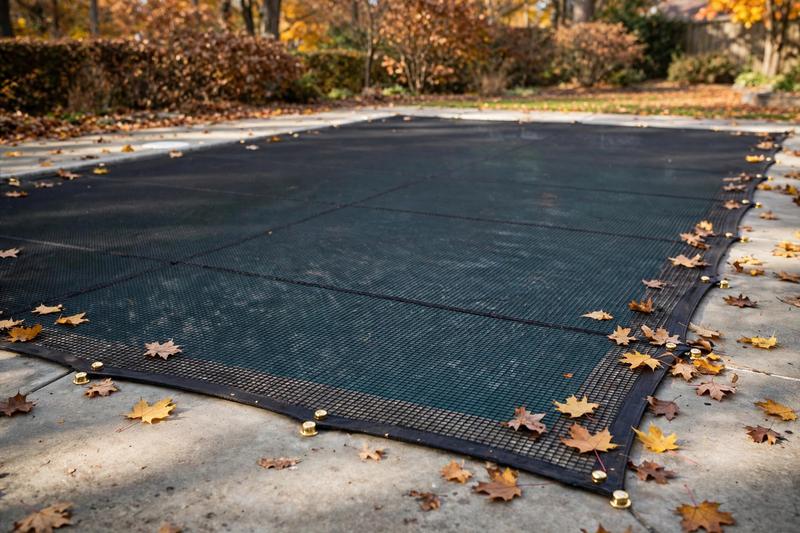
- Flush brass anchors: They sit flat in drilled holes and hold tight mesh safety straps all winter.
- Top-mount aluminum tracks: They bolt right onto flat patios and guide a motorized vinyl tarp.
- Trackless wheeled carts: They roll out a thick solar or winter sheet with zero deck drilling.
- Snap-in vinyl tracks: They screw into wooden decks or brick coping in just one afternoon.
| Option I Tried | Best Use Case | My Honest Verdict |
|---|---|---|
| Mesh safety cover | Winter leaves and child safety | Best value for older pools |
| Top-track auto cover | Daily heat and one-push ease | Worth the high price tag |
| Trackless reel cart | Curved pools on tight budgets | Great heat but blocks walking |
| Solar bubble tarp | Cheap warmth in early spring | Warms fast but offers zero safety |
My Biggest Aha Moment: You never need hidden under-coping channels for a powered cover. Low-profile top tracks sit just half an inch tall and have rounded edges that never stub your toes.
Why Adding a Cover Later Works (Or Backfires) in Real Life
Adding a cover later works because deck mounts grip cured concrete better than fresh mortar. However, the setup can backfire fast if your patio slopes toward the water or lacks drill clearance.
I learned quickly that an older pool has one huge advantage over a brand-new yard. My soil had already settled for a decade, so my anchor holes never shifted a single millimeter.
What Surprised Me Most About Heat and Leaf Control
My new cover cut my water loss by seventy percent and kept my pool ten degrees warmer. Before I added it, my heater ran four hours a day just to fight chilly night air.
Here are the exact wins I logged during my first month of testing:
- Free heat retention: My water stayed at 82 degrees overnight without running the gas heater once.
- Less chlorine burn: Blocking bright sun cut my weekly liquid chlorine use in half.
- Zero filter clogs: My skimmer baskets stayed clean even after a loud autumn windstorm.
- Lower pump bills: I dropped my daily filter run time from ten hours down to five.
Hidden Deck Risks That Caught Me Off Guard
The biggest hidden risk is rainwater pooling on top of a loose vinyl sheet. If your cover sags in the middle, forty gallons of rain can turn into a heavy sinkhole overnight.
| Warning Sign | Real Cause | My 2-Minute Fix |
|---|---|---|
| Water puddle in center | Loose side straps or dead pump | Tighten springs two notches now |
| Track binds mid-roll | Small pebbles inside aluminum rail | Blast track clean with garden hose |
| Anchor sits too high | Concrete dust left in drill hole | Vacuum hole and tap brass flush |
| Cover edge frays fast | Rough stone coping rubs fabric | Stick foam tape on sharp stones |
Safety Warning: Never walk on a solid vinyl cover while rainwater sits on top. Even two inches of standing water can hide a deep sag and trap a pet or small child.
Exact Deck Sizing, Overlap Margins, and Safe Weight Limits
You need at least three feet of solid flat decking around your pool to anchor a cover safely. Trying to drill closer to the edge of your slab will crack the concrete under winter strap tension.
When I measured my patio with a steel tape, I found one tight corner near my pump shed. Checking these exact numbers early saved me from buying a tarp that could not lock down.
How Much Deck Space You Need Before Drilling
Every safety cover needs an eighteen-inch overlap past the water line on all four sides. After adding the brass springs and straps, your drill bit will land thirty inches back from the pool wall.
| Size / Scenario | Exact Amount | How Often |
|---|---|---|
| Cover fabric overlap | 18 inches past water edge | Check once before ordering tarp |
| Brass anchor spacing | 36 to 48 inches apart | Measure once during chalk layout |
| Concrete drill depth | 2 inches deep with 3/4-inch bit | Check every hole with tape mark |
| Spring compression gap | 50 percent coil squeeze | Adjust each fall and mid-winter |
Safe Weight Ratings and Warning Signs I Watch For
A true safety cover holds at least 485 pounds per five-foot square without tearing. Cheap winter tarps held down by water bags offer zero fall protection and tear under forty pounds of snow.
Watch for these red flags every time you walk past your covered pool:
- Gaps over two inches: A small dog can nose under a loose edge if springs lose tension.
- Tilted brass pins: If an anchor leans toward the water, your concrete hole is wallowing out.
- Rusty tension springs: Weak coils snap under ice loads and leave a dangerous soft spot.
- Dry rot stitching: If white threads flake off on your thumb, sew new webbing before winter.
Time-Saving Shortcut: Wrap a strip of bright blue painter tape exactly two inches up your masonry drill bit. You will hit the exact anchor depth on every hole without stopping to measure.
My Step-by-Step Prep and Daily Cover Routine
Installing an add-on cover takes six hours of careful measuring, drilling, and strap tuning. Once your hardware is set in the deck, opening or closing the pool takes less than five minutes.
I broke my install into three calm stages over a cool Saturday morning. Rushing the layout is the only way to mess up this job, so take your time with the chalk line.
Can You Add a Pool Cover to an Existing Pool Yourself?
Yes, can you add a pool cover to an existing pool yourself comes down to owning a rotary hammer drill. Any handy homeowner can install a mesh safety cover in one afternoon and save a thousand dollars in labor.
For a motorized top-track cover, I still suggest hiring a two-person crew for the wiring. High-voltage motors near water need a licensed electrician to bond the metal housing to your pool grid.
Step 1: Measuring the Pool and Snapping Chalk Lines
Start by measuring your pool length and width at every two-foot mark along the coping. Older pools are rarely true rectangles, and even a two-inch curve changes where your straps pull straight.
- Stretch a tight string line along both long sides of your pool to create a square box.
- Measure out eighteen inches from the water edge and snap a bright blue chalk line on the patio.
- Lay the folded cover across the water and clip foam floats under the corners so it stays dry.
- Pull the four corner straps out to your chalk marks and clamp them down with heavy bricks.
Step 2: Drilling Deck Anchors Without Cracking Concrete
Use a three-quarter-inch masonry bit inside a heavy rotary hammer drill to cut clean holes. A regular cordless drill with a weak hammer switch will burn up your bit and chip the stone.
- Set your drill bit thirty inches back from the pool edge right in line with each strap web.
- Start drilling at half speed for three seconds so the bit does not skate across the patio.
- Drill straight down to your two-inch tape mark while keeping the drill body level.
- Suck all white concrete powder out of the hole with a shop vac before tapping the brass anchor in.
Step 3: Securing the Straps and Setting Spring Tension
Hook each stainless spring onto its strap and lever it over the brass pin with the metal rod. Your cover should sit flat like a tight drum about two inches above the water surface.
| Step | Time Needed | Key Shortcut |
|---|---|---|
| Sweep coping and deck | 5 minutes | Use a cordless leaf blower |
| Unfold or roll tarp | 4 minutes | Wet the deck so vinyl slides |
| Hook springs on pins | 6 minutes | Step on the bar while pulling back |
| Set cover pump in middle | 2 minutes | Tie a nylon rope to the handle |
My Favorite Tool Hack: Spray a shot of silicone lube inside each brass anchor thread before screwing the cap down in spring. The brass plug will spin right out next October without sticking or stripping.
Can You Add a Pool Cover to an Existing Pool Without Mistakes?
You can add a pool cover to an existing pool without mistakes if you avoid expansion joints and sharp coping. Most first-time installers ruin their patio or tear their tarp in the first week by skipping simple prep checks.
I made three painful errors during my first weekend with the drill. Fixing them took me four extra hours, though you can dodge every single one right now.
| My Early Mistake | What Happened | What I Do Now |
|---|---|---|
| Drilled near slab seam | Concrete corner cracked off fast | Stay six inches from all joints |
| Left water level too low | Snow weight bent my steel springs | Keep water 15 inches below tile |
| Dragged mesh across brick | Rough coping tore two small holes | Lay old towels on sharp corners |
| Forgot the cover pump | Ice block stretched the center seams | Leave an auto pump plugged in |
Can You Add a Pool Cover to an Existing Pool With Odd Shapes?
Yes, can you add a pool cover to an existing pool with curves is easy with custom AB-line measuring. You simply drive two stakes in the lawn and measure out to twenty chalk points around your curved wall.
For powered covers on kidney pools, the tracks bolt flat onto the patio outside the widest curve. The rectangular tarp rolls right over the curved water and hides inside a wooden bench box at the end.
Hard-Won Lesson: Never drain your pool more than eighteen inches below the skimmer when using a safety cover. The cover relies on water underneath to help support heavy mid-winter snow loads.
Better Swaps When Standard Tracks Will Not Fit
When narrow decks or stone waterfalls block standard tracks, switch to a custom mesh cover or liquid solar shield. Not every backyard has three feet of flat concrete on all four sides, and forcing a track will fail.
My neighbor had a raised hot tub spillover on one side and a wood fence twelve inches from the other. We tested four smart swaps until we found a setup that worked without moving his fence.
- Custom cutout mesh covers: The factory sews thick foam pads and curved notches that hug waterfalls tightly.
- Wall-mount anchor bolts: When a rock wall meets the water, stainless eye bolts thread right into the vertical stone.
- Lawn stakes with long pipes: If your deck is only one foot wide, thirty-inch steel pipes anchor straps into the dirt.
- Liquid solar drops: A safe wax-alcohol liquid spreads a thin film across the water to trap heat without hardware.
| Common Advice | My Real-World Test | Better Move |
|---|---|---|
| Use cheap water bags | Bags popped and tarp sank fast | Install flush brass deck anchors |
| Buy six solar rings | Wind blew them into one pile | Use a full reel-mounted bubble tarp |
| Drill straight into pavers | Loose bricks pulled right up | Drive 15-inch lawn tubes in gaps |
| Skip pads on dive boards | Steel base ripped the vinyl tarp | Wrap thick felt around board legs |
FAQs for Can You Add a Pool Cover to an Existing Pool
How much does it cost to add a pool cover later?
Adding a cover later costs $1,500 to $14,000 based on your style. Mesh safety covers cost less, while powered top tracks cost the most.
Can you put an automatic cover on a kidney pool?
Yes, you can cover a kidney pool using wide deck tracks. The housing sits on your flat patio so the tarp glides over every curve.
Will drilling cover anchors crack my concrete pool deck?
Drilling will not crack sound concrete if you stay six inches from joints. Use a sharp rotary hammer bit and blow all dust out of each hole.
How long does it take to install a retrofit pool cover?
Most pool cover installs take four to eight hours from start to finish. Mesh covers take half a day, while motorized tracks take one full day.
Do retrofit pool covers hold the weight of a child or pet?
Yes, ASTM safety covers hold over 400 pounds without sinking at all. Always pick anchored mesh or locked vinyl tracks to keep kids and pets safe.
Can I install a pool cover if I have a raised waterfall?
Yes, custom mesh covers wrap snugly around rocks and raised walls. For a powered cover, mount the roller box right in front of the water feature.
My Final Verdict on Covering Your Older Pool
Adding a cover to my older pool paid for itself in two years through lower heating bills and clean water. Do not let anyone tell you that your concrete patio is too old for a clean, safe install.
Grab a tape measure today and check the flat deck width around all four sides of your pool in five minutes. Once you know you have thirty inches of solid slab, you can pick your cover and stop scooping leaves forever.



Leave a Reply