
Learn how to get seat covers to stay on for good. I tested cheap clips, foam rods, and straps to stop sliding car covers fast.
Last winter, my dog jumped in and ripped my loose seat cover right off. I spent weeks trying to get seat covers to stay on without bunching up.
Every morning drive felt like sitting on a twisted bath towel. After testing six cheap hardware store parts, I finally locked my covers down tight.
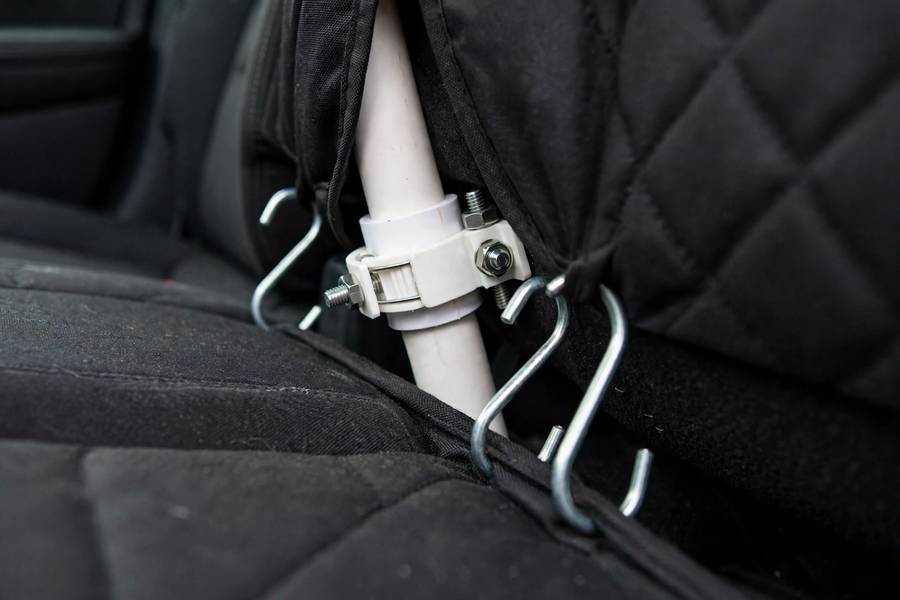
Why I Struggled to Get Seat Covers to Stay On at First
Cheap plastic hooks and slick seat cloth cause most covers to fail. You cannot rely on the flimsy parts that come in the box.
My first set of covers came with tiny black plastic rings. Two of them snapped in half before I even backed out of my driveway.
- Weak plastic clips: Factory hooks bend under thirty pounds of pull.
- Shallow tuck flaps: Short flaps pop out when you sit down.
- Slick seat skin: Leather and vinyl offer zero grip against nylon backs.
- Loose stretch cords: Thin bands lose their bounce after two hot weeks.
My First Big Lesson: Tight straps alone will not stop a sliding seat base. You need friction underneath the cloth and a solid anchor inside the seat crease.
I tracked every failure during my first month of testing in my truck. This chart shows what went wrong and how I fixed each spot.
| My Early Mistake | What Happened | What I Do Now |
|---|---|---|
| Used box plastic hooks | Snapped on day two | Use steel S-hooks instead |
| Skipped under-seat grip | Base slid forward daily | Add rubber rug pad |
| Pulled side straps tight | Blocked side airbag seam | Anchor only bottom springs |
| Tucked flap with fingers | Popped out every morning | Wedge with PVC pipe |
The $8 Gear I Use to Get Seat Covers to Stay On
Five cheap hardware store items lock seat covers down better than pricey kits. I spend under eight dollars per seat to build a slip-proof setup.
Skip the fancy auto store clips that cost twenty bucks a pack. Walk down the plumbing and home aisles at your local hardware store instead.
- Non-slip rug pad: Cut a 12-by-12-inch square to grip slick leather bases.
- Half-inch PVC pipe: Cut an 8-inch tube to lock the center crease tight.
- Dense foam pool noodle: Slice a 6-inch chunk for seats with sealed backs.
- Steel S-hooks: Grab four 2-inch metal hooks that never bend or snap.
- Strong zip ties: Use 8-inch nylon ties to cinch loose stretch loops.
| Option I Tried | Best Use Case | My Honest Verdict |
|---|---|---|
| Rubber shelf liner | Slick leather seats | Stops 90% of sliding |
| Half-inch PVC pipe | Open seat gaps | Best anchor for trucks |
| Foam pool noodle | Sealed seat backs | Great wedge for sedans |
| Metal tarp clips | Short stretch straps | Holds tight for years |
Crucial Safety Warning: Always look under your seat with a bright flashlight before hooking anything. Never loop straps around yellow airbag wires or moving seat track gears.
My Step-by-Step Routine for Rock-Solid Car Covers
Putting in a grip base and a pipe anchor takes ten minutes per seat. Follow this exact order so you never have to redo a single strap.
Step 1: Prep the Seat Base With Grip Pads
Clean the seat surface and lay down a rubber mat before the cover. Dust and wax act like tiny ball bearings under your seat cover.
- Slide your seat all the way back and raise it high.
- Wipe the seat base with rubbing alcohol to strip away slick wax.
- Lay a 12-by-12-inch rubber rug pad flat on the center cushion.
- Drape the seat cover over the top without pulling the straps yet.
Step 2: How I Get Seat Covers to Stay On the Crease
Shove an 8-inch PVC pipe through the seat gap to lock the center. This simple cross-bar acts like a deadbolt behind your seat cushions.
- Push the center tuck flap deep through the crack between seat and back.
- Reach behind the seat and pull that flap out the back side.
- Slide your 8-inch PVC pipe through the loops on the flap.
- Pull the front of the cover tight so the pipe locks flat.
Step 3: Lock the Bottom Straps Under the Frame
Cross your bottom straps in an X shape and clip them to steel springs. Crossing the straps stops the front corners from curling in when you turn.
- Clip a steel S-hook onto each front strap loop.
- Route the left strap across under the seat to the right rear corner.
- Hook both straps onto the fixed zigzag metal springs under the foam.
- Cinch the side straps snug with zip ties to erase any wrinkles.
| Size / Scenario | Exact Amount | How Often |
|---|---|---|
| Rubber grip pad | One 12-by-12-inch square | Swap every two years |
| PVC anchor pipe | One 8-inch tube | Lasts forever once set |
| Bottom strap pull | Two inches of stretch | Check once a month |
| Alcohol surface wipe | Two damp paper towels | Before every fresh install |
Fast Tricks That Cut My Setup Time in Half
Warming cold covers and tilting the seat back saves fifteen minutes of hard work. I used to scrape my knuckles raw until I learned these quick tweaks.
- Warm the vinyl: Toss stiff new covers in the dryer on low for five minutes.
- Tilt the backrest: Lean the seat back forty-five degrees to widen the center gap.
- Pop the headrest: Take the headrest off first so the top sleeve slides right down.
- Wear a headlamp: Use a cheap head light to keep both hands free underneath.
My $1 Tuck Tool: Never push cloth into tight plastic trim with your bare fingers. Use a wooden paint stir stick wrapped in tape to tuck edges fast.
| Step | Time Needed | Key Shortcut |
|---|---|---|
| Warm cold cloth | 5 minutes | Low heat dryer spin |
| Lay grip mat | 1 minute | Pre-cut to twelve inches |
| Lock center crease | 2 minutes | Push with paint stick |
| Hook bottom springs | 2 minutes | Wear a bright headlamp |
How I Fix Sliding Covers When Things Go Wrong
Stubborn seats need extra grip pads or foam wedges when normal straps fail. Every car seat frame has weird quirks that can ruin a basic setup.
Fixing Leather Seats That Shed Every Cover
Double-sided rug tape and silicone dots stop covers from skating on slick leather. When I tried to get seat covers to stay on my wife’s slick SUV, foam pads failed.
- Strip leather wax: Oily seats ruin friction, so wipe them clean with mild dish soap.
- Add silicone dots: Squeeze clear silicone caulk dots onto a cloth liner and let dry.
- Wrap the front lip: Pull the front skirt two inches deeper under the front frame.
Solving Blocked Seat Gaps and Solid Plastic Backs
Wedge a 6-inch foam pool noodle deep into sealed seat cracks. Many modern cars have a solid flap covering the back of the seat gap.
- Slice the foam: Cut a standard 2-inch pool noodle into two 6-inch tubes.
- Wrap the flap: Roll the seat cover tuck flap tightly around the foam tube.
- Shove it deep: Use a paint stick to jam the foam roll into the crease.
- Stick strips inside: Add 2-inch hook-and-loop strips inside the crease for extra bite.
| Warning Sign | Real Cause | My 2-Minute Fix |
|---|---|---|
| Front edge curls up | Straps run straight back | Cross straps in X |
| Center pops out daily | Plastic disc turned sideways | Swap for PVC pipe |
| Cover twists sideways | Loose side bolster fit | Add rubber grip pad |
| Backrest bags out | Headrest holes too tight | Tuck under trim cap |
Foam Size Matters: A fat three-inch pool noodle is too thick for tight sport seats. Stick to a standard two-inch foam tube so the cushion stays flat.
My Monthly Habit That Keeps Covers Tight All Year
A thirty-second strap check during your monthly clean keeps covers tight for years. Heat and daily weight slowly stretch out even the best woven cloth.
- Do the week-one pull: Cinch bottom straps one inch tighter after seven days of driving.
- Feel the center pipe: Push the PVC bar flat whenever you vacuum seat crumbs.
- Shake out the pad: Rinse dust off your rubber grip mat every six months.
| Common Advice | My Real-World Test | Better Move |
|---|---|---|
| Use safety pins | Ripped my factory cloth | Use non-slip rubber mat |
| Spray sticky glue | Ruined leather finish fast | Wipe clean with alcohol |
| Tie straps to rails | Sliced by seat motor | Hook to high springs |
| Buy tighter covers | Seams burst in winter | Anchor the center crease |
FAQs for Get Seat Covers to Stay On
How do I keep seat covers from sliding on leather seats?
Place a 12-by-12-inch non-slip rubber rug pad right under the seat cover base. The rubber grip stops slick leather from shifting when you sit down.
What can I use if my seat cover plastic discs break?
Cut a 6-inch piece of foam pool noodle or half-inch PVC pipe. Tie your cover straps around the tube and push it deep into the seat crease.
Where do you hook the bottom straps on car seat covers?
Hook the bottom straps onto the fixed metal seat springs under the foam cushion. Never clip straps to yellow airbag wires or moving seat tracks.
How do I get seat covers to stay on seats with no gap?
Stick 2-inch strong hook-and-loop strips along the inner seat crease. Wedge a dense foam noodle into the crack to hold the cloth tight all day.
Will tight seat cover straps block my side airbags?
Side straps can block airbags if they cover the upper side seat seam. Always buy airbag-safe covers with tear-away thread on the outer seat edge.
Why do my seat covers keep getting loose after a week?
New cloth stretches during your first 7 days of driving from body heat. Pull the bottom straps one inch tighter after week one to lock the fit.
My Final Takeaway on Locking Down Car Seat Covers
Friction under the cushion and a solid crease tube beat tight straps every time. You can get seat covers to stay on any car without buying pricey custom cloth.
Grab a roll of rubber shelf liner from your kitchen drawer right now. Cut a 12-inch square and slide it under your driver seat cover in five minutes flat.



Leave a Reply