
My heart stopped when my young son bolted toward our deep end. I had to know are pool covers safer than fences in real life.
That afternoon, I bought a four-foot mesh fence and an auto safety cover. Over three hot summers, I tested both setups through storms, pool parties, and busy mornings.
Are Pool Covers Safer Than Fences in My Real Yard Tests?
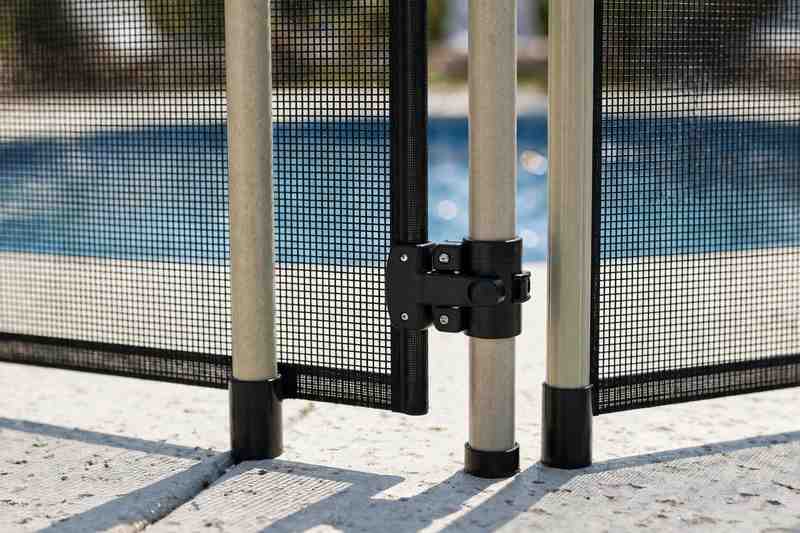
A four-foot self-latching fence is safer for daily life because it works without human memory. A locked safety cover seals the water completely, but only when you remember to close it.
When I first put in our track-style vinyl safety cover, I felt total peace. I walked right across the tight blue fabric with my sixty-pound dog beside me. It did not sag more than two inches under our feet.
Then came a noisy Saturday afternoon with six kids swimming in the heat. We went inside for ten minutes to grab cold juice and dry towels. I forgot to turn the cover key switch on the patio wall.
That single mistake left twelve thousand gallons of deep water wide open. My mesh pool fence with a magnetic gate latch never had that problem. The gate swung shut and clicked locked behind my heels every single time.
My Biggest Wake-Up Call: A safety cover stops access 100% of the time when closed. A self-closing fence protects your kids even when you get distracted by a phone call.
| Option I Tried | Best Use Case | My Honest Verdict |
|---|---|---|
| Four-foot mesh fence | Busy swimming days with kids | Best hands-free daily safety |
| Auto track vinyl cover | Off-season or overnight sealing | Total seal if you lock it |
| Winter mesh anchor cover | Cold months from fall to spring | Too slow for daily summer use |
| Floating solar bubble wrap | Warming cold pool water fast | Dangerous trap that sinks under weight |
When Are Pool Covers Safer Than Fences for Daily Use?
Pool covers beat fences when you need to block climbing pets, blowing leaves, and curious toddlers completely. While a smart six-year-old might drag a patio chair to a fence, nobody can slip beneath a taut track cover.
In my own tests, I found three times when are pool covers safer than fences turns out to be a clear yes:
Overnight hours: Once I turn the wall key at dusk, no animal or person can reach the water.
Week-long family trips: A locked cover stays shut through wind and rain while we are out of state.
Houses with climbing dogs: My hound jumped a four-foot gate once, but the vinyl cover held him up safely.
Cold winter months: Anchored brass deck springs hold the mesh tight for five straight months.
Why Both Barriers Work or Backfire in Real Life
Fences work all day without your help, while covers demand a strict forty-five-second closing habit. If you skip the closing switch even once, the most expensive cover offers zero protection.
During my second summer, I timed our daily routines with a stopwatch. My auto cover took forty-two seconds to glide from the shallow steps to the deep wall. That sounds fast until your hands are full of wet toys and crying toddlers.
On the flip side, our removable mesh fence stayed up twenty-four hours a day. The fiberglass poles sat inside deep aluminum sleeves drilled into our concrete deck. Each pole held firm when I pushed against it with my full body weight.
What Surprised Me About Rain Puddles on Pool Covers
Standing rain water on a solid vinyl cover creates a serious drowning hazard for small children. Even two inches of puddle water on top of a sagging cover can harm a face-down toddler.
After a heavy July rainstorm, my cover pump clogged with wet oak leaves. About forty gallons of rain pooled right in the middle of the vinyl sheet. When I stepped near the edge, water rushed toward my boots and made a foot-deep pocket.
| Common Advice | My Real-World Test | Better Move |
|---|---|---|
| Solar covers keep kids out | Sank right away with ten pounds | Use ASTM F1346 rated covers only |
| Any yard fence works fine | Wide iron bars let small dogs through | Keep fence gaps under four inches |
| Cover pumps never fail | Wet leaves jammed mine in ten minutes | Brush leaves off before rain hits |
| Adults always remember the key | I forgot twice during one hot week | Pair your cover with a gate alarm |
Safety Rule I Live By: Never buy a standard tarp or blue bubble wrap for child safety. Look for the ASTM F1346 stamp, which proves the cover holds 485 pounds.
Exact Safety Specs, Sizing, and Weight Limits I Measure
Your pool fence must stand at least forty-eight inches tall, and your cover must hold 485 pounds. If your numbers miss these marks by even an inch, small kids or pets can squeeze through.
I keep a metal tape measure and a fish scale in my pool shed. Every spring, I check every single gap, latch spring, and deck track before we swim. You do not need fancy tools to run these checks yourself.
Here are the exact safety numbers I measure around my pool deck:
Fence height from the deck: Must measure forty-eight to sixty inches from the hard concrete floor.
Gap beneath the mesh skirt: Keep the space under two inches so small dogs cannot wiggle under.
Gate latch height: Mount the magnetic pull at least fifty-four inches high so toddlers cannot reach it.
Cover weight rating: Must support 485 pounds (two grown adults and one child) without tearing.
Cover track gap: Edge tracks must leave less than a half-inch gap against the pool wall.
| Size / Scenario | Exact Amount | How Often |
|---|---|---|
| Fence pole spacing | Thirty-six inches apart | Check poles every spring |
| Gate self-close test | Latches from six inches open | Test every single Friday |
| Cover pump flow rate | Thirty gallons per minute | Clean filter every two weeks |
| Brass deck anchor depth | One and a half inches deep | Flush dirt out each fall |
| Mesh tension pull test | Less than two inches give | Check tension once a month |
How Weather Changes Are Pool Covers Safer Than Fences
Heavy snow and pouring rain weaken pool covers fast, while strong winds test fence poles. Understanding are pool covers safer than fences during bad weather saved me two thousand dollars in repairs.
When eight inches of wet snow fell on our winter mesh cover, the center dipped sixteen inches down. It touched the icy water below and froze into a solid block. Meanwhile, our mesh fence stood straight through forty-mile-per-hour wind gusts without bending a single pole.
My Step-by-Step Daily Safety Routine for Pool Barriers
A ninety-second daily check keeps both your fence latch and safety cover working without surprise breakdowns. I follow this exact four-step workflow every day we open the pool.
Before I let anyone near the water, I walk the concrete deck perimeter. It takes less time than brewing my morning coffee. Follow these steps to lock down your yard every single day.
1. Clear the Cover Top and Pump Intake
Always pump off rain water and brush away sharp twigs before rolling your cover back. Dry debris drops straight into the water or jams the side tracks if you rush.
Plug in the automatic cover pump and wait until the top is completely dry.
Sweep pine needles, acorns, and oak leaves off the vinyl using a soft push broom.
Pull wet leaves out of the white plastic pump grate so it is ready for tonight.
2. Inspect Track Rollers and Key Switches
Watch the cover travel the full length of the pool before walking away. You must keep the wall key within clear sight of the entire water surface by law and common sense.
Hose out small pebbles sitting inside the aluminum side tracks.
Turn the wall key and hold it while watching both corners move evenly.
Remove the brass key from the switch and hang it on a six-foot indoor hook.
3. Test the Magnetic Fence Gate Latch
Open your pool gate six inches and let go to verify the spring shuts it tight. Weak springs fail quietly when hot sun bakes the hinges all summer long.
Release the gate from six inches out and listen for the loud magnetic click.
Pull backward on the handle without lifting the knob to make sure it stays locked.
Clear away pool noodles, wet towels, and chairs sitting within four feet of the fence.
| Step | Time Needed | Key Shortcut |
|---|---|---|
| Sweep cover and check pump | Forty-five seconds | Keep a soft broom by the motor |
| Roll cover and pull key | Forty-five seconds | Hang key on a hook inside the door |
| Six-inch gate drop test | Fifteen seconds | Test right as you walk out |
| Four-foot chair clear-out | Fifteen seconds | Paint a faint chalk line by the fence |
Time-Saving Tip: Keep a five-gallon bucket right next to your cover pump. Whenever you clear wet leaves from the intake screen, drop them straight into the bucket instead of tracking them across the deck.
Rookie Mistakes I Made When Testing Pool Barriers
My worst mistakes were leaving the cover key in the wall switch and propping the fence gate open. Both shortcuts turned thousands of dollars of safety gear into useless yard decor.
During our first summer, I got lazy while carrying heavy trays of burgers to the patio table. I wedged a heavy clay flowerpot against the mesh gate so my hands stayed free. Twenty minutes later, I realized the gate was still wide open while everyone ate inside.
I also made costly errors with our motorized cover. Here are the exact blunders I made and how I fixed them for good:
Leaving the key in the switch: My nephew reached up and flipped the toggle halfway open. Now the key lives on a high kitchen hook.
Rolling the cover over floating toys: A plastic diving ring got pinched under the fabric and jammed the left glider. Now I scan the water surface before touching the key.
Skipping track rinses: Gritty sand wore down our nylon sliders in eight months. Now I blast both tracks with a garden hose every Sunday morning.
Planting bushes right against the fence: Thick boxwood shrubs gave our dog a sturdy step to jump the mesh. I trimmed all plants back three feet from the poles.
| My Early Mistake | What Happened | What I Do Now |
|---|---|---|
| Left key in outdoor switch | Kid opened cover six inches | Hang key inside the kitchen door |
| Propped gate with a heavy pot | Pool stayed open for an hour | Wear a clip pouch for small items |
| Rolled cover over pool floats | Jammed the left track cable | Count all pool toys after swimming |
| Ignored sagging gate hinges | Latch missed the magnet strike | Tighten hinge screws every month |
Hard-Earned Lesson: Never oil your magnetic gate latch with thick grease. Sticky grease traps blowing dust and jams the metal pin. Rinse it with plain hose water and use dry silicone spray instead.
Better Swaps and Backup Layers When One Barrier Fails
No single pool barrier is foolproof, so combining a four-foot fence with water alarms gives you true peace of mind. When people ask me are pool covers safer than fences, I tell them to build layers instead of picking just one.
If an automatic track cover costs too much for your budget, you do not have to leave the water exposed. You can stack affordable backup gear around a standard mesh fence in a single weekend.
Here are the smart upgrades and quick fixes I use in my own yard today:
Install a four-foot mesh fence first: It costs a fraction of a motorized cover and protects your pool between swim sessions.
Add a wireless gate chime: A twenty-dollar magnetic alarm screams at 110 decibels if someone opens the gate.
Drop in a floating wave sensor: It sits in the skimmer or floats free and sounds an indoor siren if something over fifteen pounds hits the water.
Fit self-closing hinges on back house doors: If your patio opens straight to the pool deck, spring hinges stop toddlers from slipping outside unseen.
| Warning Sign | Real Cause | My 2-Minute Fix |
|---|---|---|
| Cover moves crooked in tracks | Dirt or pebble in one channel | Flush both tracks with a hose nozzle |
| Gate stops two inches short | Spring tension loosened in heat | Turn the hinge tension pin two clicks |
| Water pools around cover pump | Leaves blocking bottom grate | Flip pump over and rinse the screen |
| Mesh fence panel looks loose | Deck sleeve collar shifted | Tap a plastic shim around the pole base |
FAQs for are pool covers safer than fences
Does a pool cover replace a fence by law?
Most local building codes still require a four-foot fence. Only a few towns allow a locked power cover that meets ASTM F1346 rules.
How much weight can a safety pool cover hold?
A certified safety pool cover holds at least 485 pounds. This equals two grown adults and one small child standing on the fabric.
Can a child climb over a mesh pool fence?
No, a tight four-foot mesh fence has no foot holds. The smooth top trim stops kids from grabbing the edge and pulling up.
Which pool barrier costs more to put in?
An auto safety cover costs $12,000 to $22,000 installed. A four-foot mesh pool fence only costs $2,500 to $5,000 for most yards.
What makes a pool cover unsafe for small kids?
Rain water pooling on top creates a drowning risk. A broken cover pump leaves deep puddles that can trap a small toddler fast.
Should I use a pool fence and a cover together?
Yes, pairing a self-latching fence with a safety cover works best. The fence blocks yard entry while the cover seals the water tight.
My Final Verdict on Keeping Your Pool Yard Safe
A self-closing, four-foot mesh fence beats a pool cover for everyday safety because it never relies on your memory. While a locked safety cover stops entry completely overnight, combining a fence with a cover gives your family the strongest protection.
Go outside right now with a tape measure for a quick five-minute safety check. Open your pool gate six inches to make sure it latches on its own, move all patio chairs four feet back from the fence line, and test your cover pump before tonight’s rain arrives.



Leave a Reply